Not all shepherd breeds carry equal risk for hip dysplasia. While the condition can appear in virtually any dog, certain breeds and certain lines within those breeds show dramatically higher prevalence. Understanding these patterns helps prospective owners make informed decisions and helps current owners recognize their dogs' risk profiles.
I have spent two decades treating hip dysplasia, and the breed distributions in my practice tell a consistent story. Some of this relates to popularity, as German Shepherds simply outnumber Belgian Tervurens in most communities. But popularity alone does not explain the patterns. There are real differences in susceptibility that prospective owners should understand.
German Shepherd: The Breed That Defines the Problem
The German Shepherd Dog remains the poster child for canine hip dysplasia. OFA statistics show approximately 20% of evaluated German Shepherds receive dysplastic ratings, and this almost certainly underestimates true prevalence since affected dogs are less likely to be submitted for evaluation.
Several factors contribute to this high rate. The breed's extreme popularity has led to production by countless breeders of varying commitment to health testing. The distinctive angulated rear structure prized in show lines places unusual mechanical demands on the hip joint. And decades of emphasis on appearance over function have allowed susceptibility genes to accumulate in many bloodlines.
Working-line German Shepherds, bred primarily for police, military, and protection work, typically show lower dysplasia rates than show-line dogs. These dogs are selected based on physical capability, and dogs with hip problems cannot perform demanding work. The selection pressure is real and effective, though maintaining lean body condition remains critical regardless of lineage.
West German show lines generally fare better than American show lines, where extreme rear angulation has been particularly exaggerated. The German breed club requires health testing for breeding approval, while American Kennel Club registration imposes no such requirements.
Australian Shepherd: Hidden Prevalence
Australian Shepherds appear at first glance to have moderate dysplasia rates, with OFA data suggesting around 6% affected. However, this breed suffers from low screening rates. Many Australian Shepherd owners, perceiving the breed as healthy and athletic, do not pursue hip evaluation. The true prevalence is likely considerably higher.
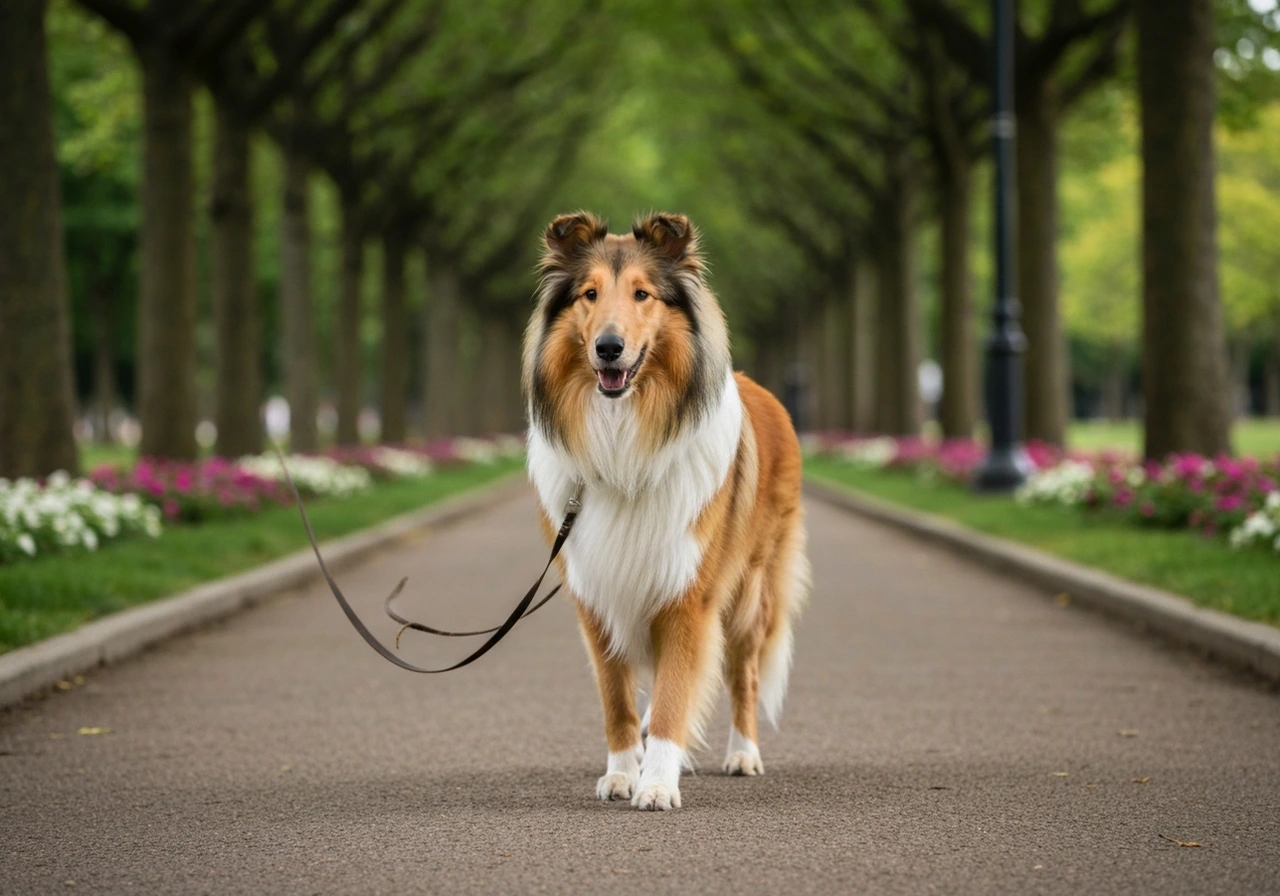
In my practice, I see enough dysplastic Australian Shepherds to know this is not a breed immune to the problem. The herding drive and natural athleticism can mask early symptoms, leading to delayed diagnosis and more advanced disease when owners finally seek evaluation.
The breed's popularity has surged in recent years, bringing the inevitable expansion of breeding by those prioritizing profit over health. Puppy buyers should not assume that an Australian Shepherd automatically means sound hips. Demand to see OFA or PennHIP results from both parents.
Belgian Malinois: The Working Dog Exception
Belgian Malinois show remarkably low hip dysplasia rates compared to other large herding breeds. OFA data indicates only about 4% affected, and this breed has higher screening rates than many, lending credibility to the figure.
The explanation lies in selection pressure. Malinois are primarily working dogs used in military, police, and protection roles. A Malinois with hip problems cannot deploy with a special operations team or clear fences pursuing suspects. Breeding stock must be physically sound to perform, and dogs that cannot perform do not breed.
However, the breed's increasing popularity as a pet is concerning. As more Malinois are bred by producers focused on appearance or demand rather than working ability, the protective selection pressure diminishes. I am already seeing more dysplastic Malinois than I did a decade ago, though the breed still fares much better than German Shepherds.
Belgian Tervuren and Groenendael
The other Belgian shepherd varieties, the long-coated Tervuren and black Groenendael, show moderate susceptibility with OFA rates around 7-8%. These breeds remain relatively rare, so the data pool is smaller and less reliable.
What I observe clinically is that dysplastic individuals in these breeds often show severe presentations when affected. Whether this reflects delayed recognition due to breed unfamiliarity among general practitioners or actual disease characteristics, I cannot say definitively.
Dutch Shepherd: Similar to Malinois
Dutch Shepherds, closely related to Belgian Malinois and often used in similar working roles, show similarly low dysplasia rates. The same selection pressures apply: these dogs must work, and working requires sound structure.
The Dutch Shepherd remains relatively rare in the United States, which has perhaps protected it from the quality dilution that popularity brings. As the breed gains recognition, maintaining health standards will require conscious effort by the breeding community.
White Swiss Shepherd
The White Swiss Shepherd, essentially a white German Shepherd that developed as a separate breed in Europe, carries similar hip dysplasia risk to its German Shepherd relatives. Some European breeding programs have emphasized health testing more consistently than American German Shepherd programs, potentially providing modestly better outcomes in certain lines.
Buyers should not assume that the White Swiss Shepherd label guarantees better hips than a standard German Shepherd. Individual breeder practices matter more than breed designation.
Shetland Sheepdog: Size Does Not Protect
Though substantially smaller than German Shepherds, Shetland Sheepdogs are not immune to hip dysplasia. OFA data shows approximately 6% affected. The smaller body size means less mechanical stress on affected joints, so dysplastic Shelties often remain functional longer than large breeds with equivalent pathology.
I see fewer Shelties for hip surgery than German Shepherds, but this reflects both lower prevalence and the reality that smaller dogs can often be managed conservatively more successfully.
Border Collie: Better Than Expected
Border Collies show relatively low hip dysplasia rates, around 5-6% on OFA evaluation. The breed's continued selection for working ability in herding trials likely contributes to this favorable outcome. A dysplastic Border Collie cannot work sheep effectively, and working ability remains the primary breeding criterion in many programs.
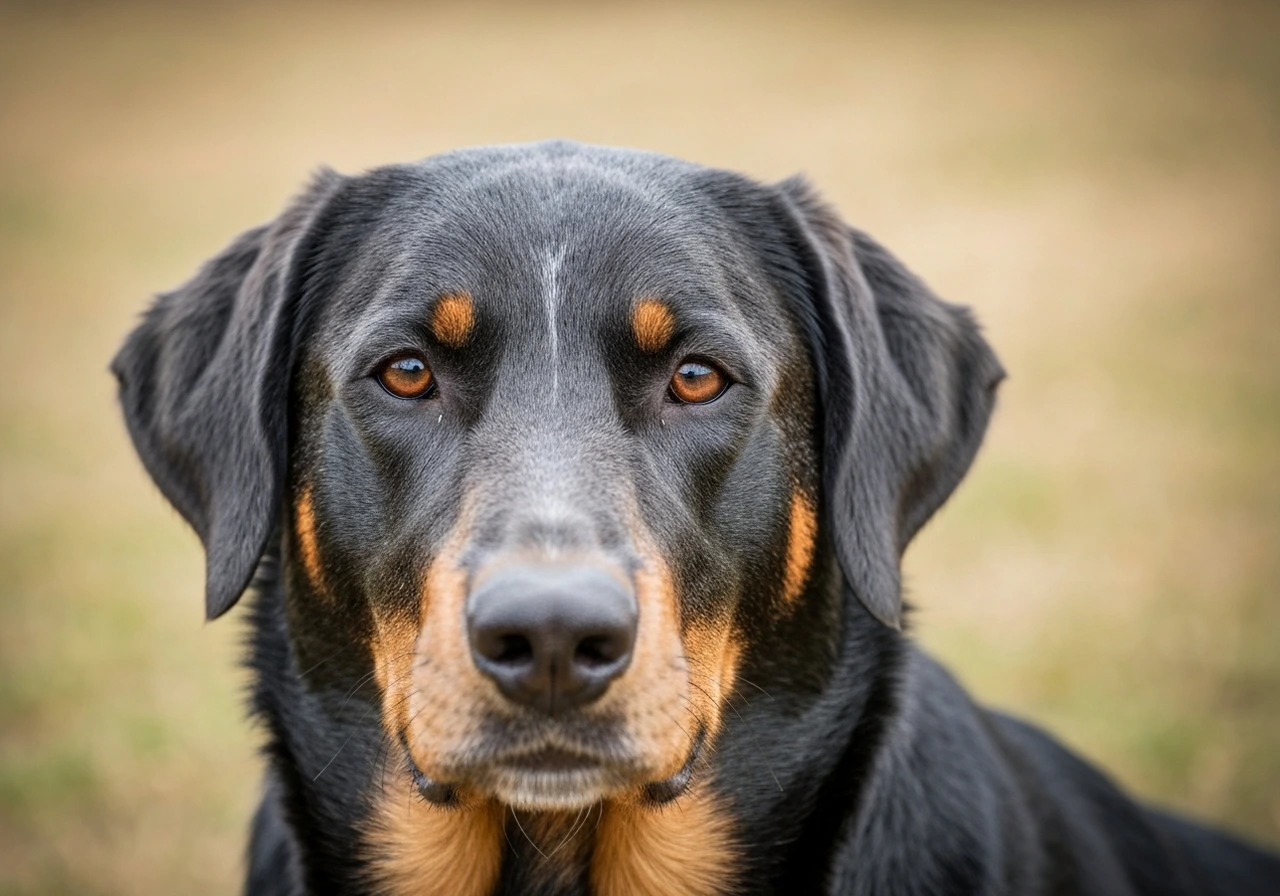
The breed's popularity as a pet and performance dog has introduced some breeding programs less focused on traditional working selection. As with other breeds, prospective owners should evaluate breeders individually rather than assuming breed health.
Old English Sheepdog
Old English Sheepdogs show high hip dysplasia rates, with OFA data suggesting nearly 20% affected, similar to German Shepherds. The breed's heavy build and reduced popularity compared to its peak decades ago mean fewer dogs are evaluated, possibly skewing available data.
The massive adult weight of this breed means dysplastic individuals carry significant joint stress. Surgical options like total hip replacement can be more challenging and expensive in these large patients, though recovery outcomes remain excellent with proper care.
Collie (Rough and Smooth)
The traditional Collie breeds show moderate susceptibility, with OFA data around 5-7%. The breed's more moderate structure compared to German Shepherds may provide some biomechanical advantage.
What These Patterns Mean for Owners
Understanding breed susceptibility should inform both purchasing decisions and ownership practices:
- Prospective buyers should research breeds carefully and prioritize breeders who health test. A breed with 20% dysplasia rate from a tested, responsible breeder may produce healthier puppies than a breed with 5% population rate from an untested backyard breeding.
- Current owners of high-risk breeds should pursue early screening even in the absence of symptoms. Knowing your dog's hip status allows for optimized management and earlier intervention if problems develop.
- All shepherd owners should understand that breed tendencies are population statistics, not individual destinies. Low-risk breeds can produce dysplastic individuals, and high-risk breeds can produce excellent hips. Evaluate each dog individually.
The Breeding Responsibility
The genetic complexity of hip dysplasia means that even careful breeding cannot eliminate the condition. Two OFA Excellent parents can produce dysplastic offspring because the genetics are polygenic and incompletely penetrant.
What responsible breeding can do is reduce population prevalence over generations. Breeds with strong health testing cultures and systematic selection using modern genetic tools, like the Belgian Malinois, demonstrate that progress is possible. Breeds where popularity outstripped responsible breeding, like the German Shepherd, demonstrate the consequences of neglecting this effort.
If you are considering breeding any shepherd variety, commit to comprehensive health testing including both OFA evaluation and PennHIP assessment. Consider the hip scores of siblings and offspring as well as individual dogs. Do not breed affected dogs regardless of their other qualities. The breed's future depends on these decisions accumulated across thousands of individual matings. Elbow evaluation should also be part of this protocol, and reviewing elbow scoring data helps breeders set appropriate thresholds for their programs.